Imagine your small business as a well-oiled machine, humming along smoothly and efficiently. But what happens when an unexpected wrench is thrown into the gears? That’s where the critical importance of small business insurance comes into play. In this comprehensive guide, we’ll unravel the essentials of commercial insurance for your budding enterprise, safeguarding your dreams and aspirations against unforeseen risks.
Backlinko’s insights reveal that insurance is not just a safety net; it’s a strategic investment in the longevity and resilience of your business. From navigating potential pitfalls to understanding legal necessities, we’re here to illuminate the path to informed insurance decisions. Buckle up as we explore the nuances of protecting what you’ve built with precision and care.
Importance of Small Business Insurance
Did you know that 40% of small businesses will experience a property or liability loss in any given year? That’s right. And yet, many operate without the safety net of insurance.
Small business insurance isn’t just a safety net, it’s your lifeline. Without it, you’re risking everything you’ve built. From natural disasters to lawsuits, the potential threats are endless. But here’s the deal: insurance can turn a catastrophic event into a manageable hiccup.
Why Small Businesses Need Commercial Insurance
Every small business faces unique risks. Whether it’s a fire, theft, or an employee getting injured on the job, without insurance, you’d be footing the bill directly. Imagine a world where a single lawsuit wipes out your savings. Scary, right? That’s the reality for uninsured businesses.
Risks of Not Having Proper Coverage
Without insurance, a product defect could lead to a lawsuit that costs tens of thousands of dollars. For example, a small bakery without liability insurance could close overnight due to a customer injury claim. Insurance is your shield against these types of financial disasters.
Examples of Businesses Benefiting from Insurance
Take a look at a local coffee shop that survived a devastating fire because of their comprehensive coverage. Or the tech startup that was protected from a costly data breach due to their cyber insurance. These businesses weren’t lucky — they were prepared.
Legal Requirements for Business Insurance in Various States
Depending on where you operate, the legal landscape for insurance can vary. Some states require workers’ compensation if you have employees, while others might need specific liability coverage. Here’s a quick breakdown of some key state requirements:
| State | Insurance Requirement |
|---|---|
| California | Workers’ compensation for even one employee |
| Florida | Commercial auto insurance for business vehicles |
| Texas | No state-mandated workers’ compensation |
Pro Tip: Always check your state’s specific insurance requirements to ensure you’re compliant.
Types of Small Business Insurance
Did you know that 40% of small businesses don’t reopen after a disaster? Insurance can be your lifeline when things go south.
But with so many options, how do you know which policy fits your business? Let’s break down the most common types of small business insurance and how to choose the right one for you.
Understanding the Insurance Landscape
There are several types of insurance policies that small businesses might need. The most common ones include General Liability, Property, Workers’ Compensation, and Professional Liability. Each one offers different levels of protection and is suitable for various needs.
Choosing the Right Insurance for Your Business
Here is the deal: picking the right insurance depends on your business type, size, and industry. For example, a bakery would need different coverage compared to a tech startup.
Pro Tip: Always assess your business risks and liabilities before purchasing a policy.
Think about what you need to protect most. Is it your inventory, employees, or perhaps potential lawsuits?
Comparing Liability Insurance and Property Insurance
General Liability Insurance covers legal issues from accidents, injuries, and claims of negligence. In contrast, Property Insurance protects your physical assets from risks like fire or theft. But here’s a comparison to help you decide:
| Insurance Type | Coverage Details | Cost | Suitable Business Types |
|---|---|---|---|
| General Liability | Covers legal liabilities due to injuries or claims | Varies based on business size | Retail, Food Services, Manufacturing |
| Property Insurance | Protects buildings and assets from physical damage | Depends on property value | Brick-and-mortar stores, Warehouses |
Pro Tip: If your business is online, don’t overlook cyber insurance to cover data breaches!
Cost Factors for Small Business Insurance
Did you know that 40% of small businesses never reopen after a disaster without insurance? Shocking, right?
Insurance is crucial, but understanding its costs can be a headache. Let’s break down the factors that influence your premium and discover smart ways to save.
Factors Influencing Insurance Costs
The cost of your insurance isn’t a flat rate. Your business size, industry risk, and location can all make a huge difference. For instance, a tech startup in Silicon Valley will pay differently than a construction firm in Kansas.
- Business Size: More employees and assets mean higher premiums.
- Industry Risk: High-risk industries like construction face pricier premiums.
- Location: Areas prone to natural disasters can increase your costs.
Breakdown of Costs for Popular Insurance Types
Insurance comes in many shapes and sizes. Let’s dive into the costs of the most common types for small businesses:
| Insurance Type | Average Cost |
|---|---|
| General Liability | $500 – $1,000 annually |
| Professional Liability | $300 – $1,800 annually |
| Workers’ Compensation | $2,000 – $3,000 annually |
These figures are averages, so your specific costs could vary. Always get a tailored quote!
Strategies to Reduce Insurance Premiums
Is your premium too high? Here’s the deal: you don’t have to settle for sky-high insurance costs.
- Shop Around: Get quotes from multiple insurers to find the best deal.
- Bundle Policies: Combining multiple policies can lead to discounts.
- Increase Deductibles: A higher deductible usually means a lower premium.
Pro Tip: Regularly review and adjust your coverage to ensure you’re not over-insured.
Impact of Business Size and Industry on Costs
Size and industry play a pivotal role in insurance pricing. But how exactly?
Big businesses often need broader coverage due to more employees and higher assets. Meanwhile, industries prone to lawsuits, like healthcare, will see steeper premiums. Always align your coverage with the unique risks of your field.
Evaluating Insurance Providers
Choosing the right insurance provider for your small business can feel overwhelming. But here’s the secret: it’s all about asking the right questions and knowing what to look for.
Evaluating insurance providers isn’t just about the price tag. You need a partner you can trust, one who offers not just protection but peace of mind.
Criteria for Selecting a Reliable Insurance Provider
When you’re looking for insurance, it’s easy to get lost in the details. But trust me, sticking to a few core criteria can make the process much smoother. Start by checking the provider’s financial stability. You want a company that can pay out claims when you need them most. Also, consider their industry experience. An insurer familiar with your business type is more likely to understand your specific needs and risks.
Checklist for Assessing Credibility and Reputation
Don’t just take their word for it; do a background check. Here’s a quick checklist to help you:
- Verify the provider’s license status with your state’s insurance department.
- Read customer reviews online to gauge their reputation and service quality.
- Check if they have any history of complaints or lawsuits.
Pro Tip:
Always ask for references from other small business owners in your industry.
Comparing Insurance Quotes Effectively
So, you’ve narrowed down your list of potential providers. Great. But how do you choose when the quotes are all different? Here’s the deal: don’t just compare prices. Look at the coverage limits and the deductibles. These will affect your out-of-pocket costs if you ever need to file a claim. It’s also smart to evaluate the exclusions in each policy—those little details can mean big gaps in coverage.
| Provider | Premium | Deductible | Coverage Limits |
|---|---|---|---|
| Provider A | $500/year | $1000 | $1,000,000 |
| Provider B | $450/year | $1500 | $800,000 |
The Role of Customer Service and Support
Picture this: a pipe bursts in your shop at midnight. Who do you call? If your insurance provider offers 24/7 support, you’ll sleep easier knowing help is just a phone call away. Good customer service isn’t just about availability. It’s about understanding and solving your problems efficiently. Make sure your provider has a reputation for excellent service and assess how they handle claims. Prompt and fair claims processing is a telltale sign of a reliable provider.
Real-Life Scenarios and Case Studies

Ever heard of a small business bouncing back from disaster within weeks? Insurance can be a game-changer. Let’s explore real-life stories where having the right policy turned potential tragedy into just another business challenge.
Small business owners often underestimate the power of insurance until they need it. But when a crisis hits, those with the right coverage are the ones who come out stronger. Here’s how insurance played a pivotal role in these real-world scenarios.
Case Study: Bakery’s Sweet Recovery Post-Fire
When a fire broke out in Sweet Tooth Bakery, it threatened to shut down the local favorite. Thanks to their comprehensive insurance, they received quick payouts that covered repairs and lost income. They reopened within a month, stronger than ever. Here’s the deal: It’s not just about having insurance; it’s about having the right policy that covers potential risks.
Scenario: Tech Startup’s Data Breach Defense
Data breaches can cripple tech startups. One innovative firm experienced a serious breach, but their cyber liability insurance kicked in. It covered legal fees, notification costs, and even PR efforts to repair their reputation. A single policy saved them thousands. Pro Tip: If you’re in tech, cyber insurance isn’t optional. It’s essential.
Testimonials: The Voices of Experience
Here’s what real business owners say about their insurance experiences:
- “If it weren’t for our policy, our restaurant wouldn’t have survived the flood.” – Maria, Restaurant Owner
- “Insurance gave us peace of mind when we expanded internationally.” – John, E-commerce Entrepreneur
- “Our liability insurance saved us from a costly lawsuit.” – Linda, Gym Owner
Lessons from Underinsured Businesses
Not everyone gets it right. One retail store learned the hard way when a minor flood caused major damage. With inadequate coverage, they faced closure. The lesson? Always evaluate your policy scope and update it as your business grows.
Navigating Claims and Coverage
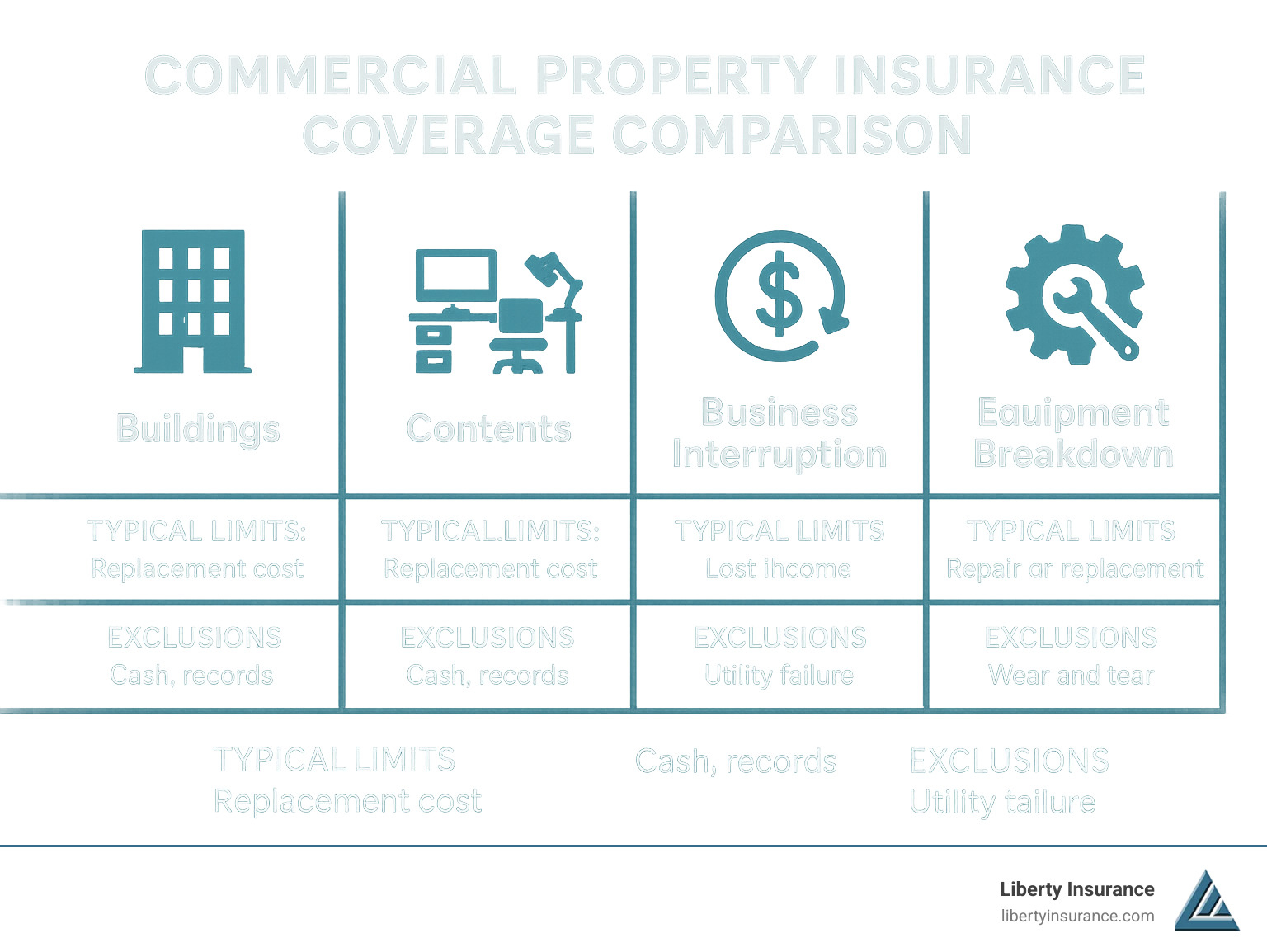
Did you know that only 40% of small businesses reopen after a disaster? Filing an insurance claim can be a lifesaver. But the process can be daunting if you don’t know where to start.
Understanding the steps to file a claim will not only save you time but also ensure you get the coverage you deserve. Here is the deal: navigating the claims process is not as complex as it seems.
Filing an Insurance Claim for Small Businesses
When disaster strikes, time is of the essence. Start by notifying your insurance provider immediately. The sooner you file, the quicker you can get back on your feet. Gather all necessary documentation, like photographs of the damage and receipts for any repairs.
Next, complete a claim form. Your insurance company will need detailed information about the incident, so provide as much detail as possible. This will help in processing your claim faster and more accurately.
Challenges During the Claim Process
Common challenges include incomplete documentation, disputes over coverage limits, and delayed responses from insurers. To overcome these, maintain organized records and communicate promptly with your insurance agent.
Pro Tip: Keep a dedicated file for all insurance-related documents. This will make it easier to access important information when you need it most.
If disputes arise, don’t panic. Review your policy details and seek advice from an insurance expert if necessary.
Understanding Insurance Coverage Options
Before you ever need to file a claim, it’s crucial you understand your coverage options. Step #1: Evaluate your risks. Different businesses have different needs. Step #2: Compare policies from multiple providers to find the best fit.
Ask yourself, “Does this policy cover all potential risks my business faces?” If not, you may need additional coverage.
Claims Process Table
Here’s a quick table to guide you through the claims process:
| Step | Timeline | Key Considerations |
|---|---|---|
| Notify Insurer | Immediately | Document all damages and expenses |
| Submit Claim Form | Within 2 days | Provide detailed and accurate information |
| Insurer Review | 1-2 weeks | Stay available for further inquiries |
| Receive Settlement | Within 30 days | Ensure payment aligns with policy terms |
Conclusion
As we conclude our journey through the realm of small business insurance, it’s clear that being prepared is not just wise—it’s essential. With the right insurance policies in your arsenal, you’re not merely reacting to challenges; you’re proactively securing your business’s future. Remember, the peace of mind that comes with knowing you’ve covered all bases is worth every step taken in the insurance landscape.
Common Queries
What are the key types of small business insurance every owner should consider?
Essential types include general liability insurance, property insurance, professional liability insurance, and workers’ compensation, each catering to specific business needs and risks.
How can small businesses determine the right amount of coverage?
Assess your business’s unique risks, consult with insurance professionals, and consider factors like industry standards and potential liabilities to determine appropriate coverage levels.
What factors influence the cost of small business insurance?
Costs are influenced by business size, industry type, location, coverage limits, and claims history, among other factors.
Can small businesses reduce their insurance premiums?
Yes, strategies include bundling policies, implementing risk management practices, increasing deductibles, and maintaining a good claims history.
Why is it important to compare quotes from multiple insurance providers?
Comparing quotes ensures you get the best coverage at competitive prices, tailored to your specific business needs and circumstances.
