Ever thought about how a small business can stay afloat amidst unpredictable challenges? The answer lies in one of the most underrated essentials: small business insurance. This guide will unveil the mysteries of small business insurance, showing you why it’s a game-changer for safeguarding your entrepreneurial dreams.
Whether you’re a startup or a seasoned business owner, understanding small business insurance helps in navigating the complex world of liabilities and risks. Dive in and discover which types of insurance are absolute must-haves for your business operations.
Understanding Small Business Insurance

Did you know that 40% of small businesses never reopen after a disaster? This is where small business insurance steps in as a crucial lifeline.
Small business insurance is more than just a safety net. It’s a strategic tool that shields your business from unpredictable perils, like property damage or liability claims. Having the right coverage can be the difference between a temporary setback and closing your doors for good.
The Backbone of Business Protection: Types of Small Business Insurance
Here is the deal: Not all insurance is created equal. Each type of small business insurance serves a distinct purpose. There’s General Liability Insurance for when lawsuits come knocking. You’ll also find Property Insurance to safeguard your assets and Workers’ Compensation to protect your employees. The key is to assess your specific needs and tailor your coverage accordingly.
Let’s talk history. Small business insurance wasn’t always this comprehensive. It evolved from basic fire insurance in the late 1800s to the robust offerings we have today. This progression mirrors the growing complexity of business operations and the increasing exposure to risks.
Factors That Drive Premiums Through the Roof
Why does one business pay double the premium of another? It boils down to several factors. Business type and location are huge. A construction company and a flower shop have vastly different risk levels. Your claims history also plays a part; insurers tend to hike rates for businesses with frequent claims.
Pro Tip: Keep your claims history clean to secure better rates.
Understanding your industry’s inherent risks can help you make informed decisions about which coverages to prioritize. Being informed is your first step to lowering costs and maximizing protection.
Types of Small Business Insurance
Did you know that 40% of small businesses will experience a property or liability loss in the next 10 years? It’s a staggering number. But you can protect yourself with the right insurance.
Let’s dive into the world of small business insurance. We’ll explore the types you need to stay covered and navigate industry-specific requirements.
Liability Insurance, Property Insurance, and Workers’ Compensation
Liability insurance is your shield against lawsuits. It covers legal costs if someone sues your business for injury or damages. On the other hand, property insurance protects your physical assets, like buildings and equipment, from events such as fires and theft. Lastly, workers’ compensation is a must if you have employees. It helps cover medical expenses and lost wages if they get injured on the job.
Professional Liability Insurance vs. General Liability Insurance
Choosing between professional liability insurance and general liability insurance can be tricky. Professional liability, often called errors and omissions insurance, is vital for service-based businesses like consultants and accountants. It covers you if a client claims your work was substandard. Meanwhile, general liability is broader, covering physical injuries and property damage. Here’s the deal: if you offer advice, go for professional liability. Otherwise, general liability might be the better fit.
| Insurance Type | Coverage Details | Premium Costs | Benefits |
|---|---|---|---|
| Liability Insurance | Legal fees, settlements | $500-$1,000/year | Peace of mind against lawsuits |
| Property Insurance | Building, equipment damages | $1,000-$2,500/year | Protects physical assets |
| Workers’ Compensation | Employee injuries | $0.75-$2.74 per $100 of payroll | Legal compliance, employee security |
| Professional Liability | Client claims of negligence | $300-$1,500/year | Protects service providers |
Industry-Specific Insurance Needs
Different industries have unique insurance requirements. For example, a restaurant might need food contamination insurance, while a construction company may require builder’s risk insurance. Assess your industry risks to determine what specific coverage you need.
Pro Tip: Always consult with an insurance agent who specializes in your industry. They’ll help tailor the perfect policy for you.
Selecting the Right Insurance Policy
Did you know that 40% of small businesses have no insurance at all? That’s a staggering stat when you consider the risks involved. Let’s dive into how to select the right insurance policy for your small business.
Choosing the right insurance policy can feel overwhelming. But here’s the deal: it doesn’t have to be. By following a few key steps, you can secure coverage that truly fits your business needs.
Step #1: Assess Your Coverage Needs
Start by understanding the unique risks your business faces. Are you in retail, where customer slip and falls are common? Or maybe you’re in tech, where data breaches are a threat. List potential risks and prioritize them. This will guide the type of policies you should consider.
- Identify potential liabilities and assets.
- Evaluate your industry-specific risks.
- Consider both current and future coverage needs.
Pro Tip: Regularly review and update your coverage needs as your business grows and changes.
Step #2: Common Pitfalls to Avoid
Many business owners make the mistake of buying too little or too much coverage. Finding that sweet spot is crucial. Another common pitfall is not reading the policy terms. Hidden clauses can catch you by surprise when it’s too late. Always read and understand your policy documents.
- Avoid underestimating your coverage needs.
- Don’t overlook policy exclusions and limitations.
- Stay informed about changes in insurance laws that could affect your policy.
Step #3: Customizing Your Policy
Now that you know your needs and pitfalls, it’s time to tailor your policy. Speak with your insurer about customizing options. Maybe you need extra protection during peak seasons or for a particular project. Customization ensures you’re only paying for what you need.
Consider using a business owner’s policy (BOP) as a starting point. BOPs combine multiple coverages in one package, often at a reduced cost. Then, add or remove specific coverages to suit your business.
| Coverage Type | Standard Features | Customization Options |
|---|---|---|
| General Liability | Injury, Property Damage | Higher Limits, Industry Specific |
| Commercial Property | Fire, Theft | Natural Disasters, Equipment Breakdown |
Cost Management for Insurance Policies
Are you tired of seeing your insurance premiums eat into your business profits? You’re not alone. Many small businesses face the same challenge. But the good news is that you can take control and reduce those costs.
Insurance is essential, but it shouldn’t break the bank. Let’s dive into some methods that can help you save on your insurance costs without sacrificing coverage.
Reducing Insurance Costs
First things first, no one wants to overpay for insurance. Review your policies regularly. You’d be surprised how many businesses keep paying for coverage they don’t need. Ask yourself: do you really need that add-on?
Another trick is bundling. Combining multiple insurance policies with the same provider can lead to significant discounts. It’s like getting a combo deal for your insurance needs.
But here is the deal: the deductible plays a huge role in your premium. A higher deductible means lower premiums. Of course, you’ll pay more out-of-pocket if you need to make a claim, but it’s a balance you’ll need to weigh.
Cost-Saving Strategies and Their Impact
Here’s a quick comparison of cost-saving strategies and how they might impact your insurance premiums:
| Strategy | Potential Impact on Premiums |
|---|---|
| Policy Review | Identify unnecessary coverage and reduce costs by 5-10% |
| Policy Bundling | Save up to 25% by bundling policies with one provider |
| Higher Deductibles | Reduce premiums by 10-15% |
| Shop Around | Find competitive rates; potential savings of 15% or more |
Risk Management Practices
Risk management is not just a buzzword. It’s a proactive approach that can seriously cut down your insurance costs. The better you manage risk, the less you pay. Implementing solid safety protocols and regular employee training can go a long way.
Have you considered a risk assessment? Identifying potential risks can help mitigate issues before they become claims. Plus, insurance companies love proactive clients and might reward you with lower premiums.
Pro Tip: “Engage with your insurance provider regularly. Understanding their perspective could open doors to additional discounts or better coverage options.”
Incorporating these strategies can not only help you cut costs but also make your business more resilient. Don’t just buy insurance—manage it.
Legal and Regulatory Aspects of Small Business Insurance
Did you know that neglecting insurance compliance can cost small businesses thousands in fines? That’s why understanding the legal and regulatory landscape of small business insurance is crucial.
Getting your head around the legalities can be daunting. But here’s the deal: A lot of regulations vary by location, and missing a single requirement can spell disaster for your business.
Legal Requirements Across Jurisdictions
Let’s face it: Insurance laws are not one-size-fits-all. In the U.S., each state dictates its own rules for what coverage you must have. Some require just general liability insurance, while others mandate workers’ comp or professional liability insurance. If you’re operating in multiple states, it’s essential to stay informed about each state’s requirements.
- California mandates workers’ compensation for any business with employees.
- Florida requires commercial auto insurance if you use vehicles for business.
- New York insists on disability benefits insurance for employees.
Pro Tip: Check with your state’s Department of Insurance to get the latest legal requirements.
Regulatory Consequences of Non-Compliance
Here’s an alarming fact: Ignoring insurance mandates doesn’t just mean fines. It can lead to business license revocations and even lawsuits. Not having the required insurance might also lead to exorbitant out-of-pocket expenses if a claim is filed against you.
Non-compliance could result in:
- Hefty fines that eat into your profits.
- Legal actions that can disrupt business operations.
- Loss of trust from customers and partners.
Understanding the Claims Process
Filing a claim can be a headache, especially if you’re unprepared. But knowing the steps can make the process smoother. Most insurance companies require timely notification of a claim, detailed documentation, and sometimes even a police report.
Follow these steps to file a successful claim:
- Notify your insurer immediately after an incident occurs.
- Gather all necessary documentation—think photos, receipts, and reports.
- Submit the claim form accurately and promptly.
Pro Tip: Keep a dedicated file for all insurance-related documents to speed up the claims process.
Impact of Legislative Changes
Legislation isn’t static. It evolves, and staying abreast of changes is vital. Legislative shifts can affect the types of insurance required, coverage limits, and even premium costs. For instance, recent changes in data protection laws have led many businesses to adopt cyber liability insurance.
Here’s how you can stay informed:
- Subscribe to industry newsletters for updates.
- Consult with your insurance provider regularly.
- Attend local business seminars that discuss legislative updates.
The Future of Small Business Insurance
Are you ready for the insurance revolution? Small business insurance is on the brink of a seismic shift. Let’s dive into what’s changing and how you can stay ahead.
Today, small businesses are navigating a landscape that’s evolving faster than ever. New tech and innovative models are reshaping how we think about insurance.
Emerging Trends in Small Business Insurance
The landscape of small business insurance is rapidly evolving with cutting-edge trends you need to watch. From AI-driven underwriting to blockchain for claim verification, technology is revolutionizing the industry. But here’s the deal: it’s not just about tech. Consumer expectations are shifting, demanding more transparency and personalization from insurers.
Technology’s Impact on Insurance Policy Management
Imagine managing your insurance policies as easily as ordering a coffee. That’s the power of technology in action. Automation and AI are simplifying policy management, reducing human error, and speeding up claims processing. Pro Tip: Embrace digital tools now to stay competitive and save time.
New Insurance Models for the Digital Economy
Traditional insurance models are being disrupted by digital-native alternatives. Usage-based policies and on-demand coverage are just the beginning. These new models offer flexibility and cost-efficiency, perfectly tailored for the fast-paced digital economy. Here’s the kicker: they’re designed with you in mind, catering to unique business needs.
Opportunities in the Evolving Insurance Market
The evolving insurance market is a goldmine of opportunities for small businesses. With tailored solutions and better risk assessment tools, there’s never been a better time to secure your business’s future. Step #1: Identify gaps in your current coverage. Step #2: Explore new products that fit your niche. Remember, the key is to adapt quickly and leverage these changes to your advantage.
Final Summary
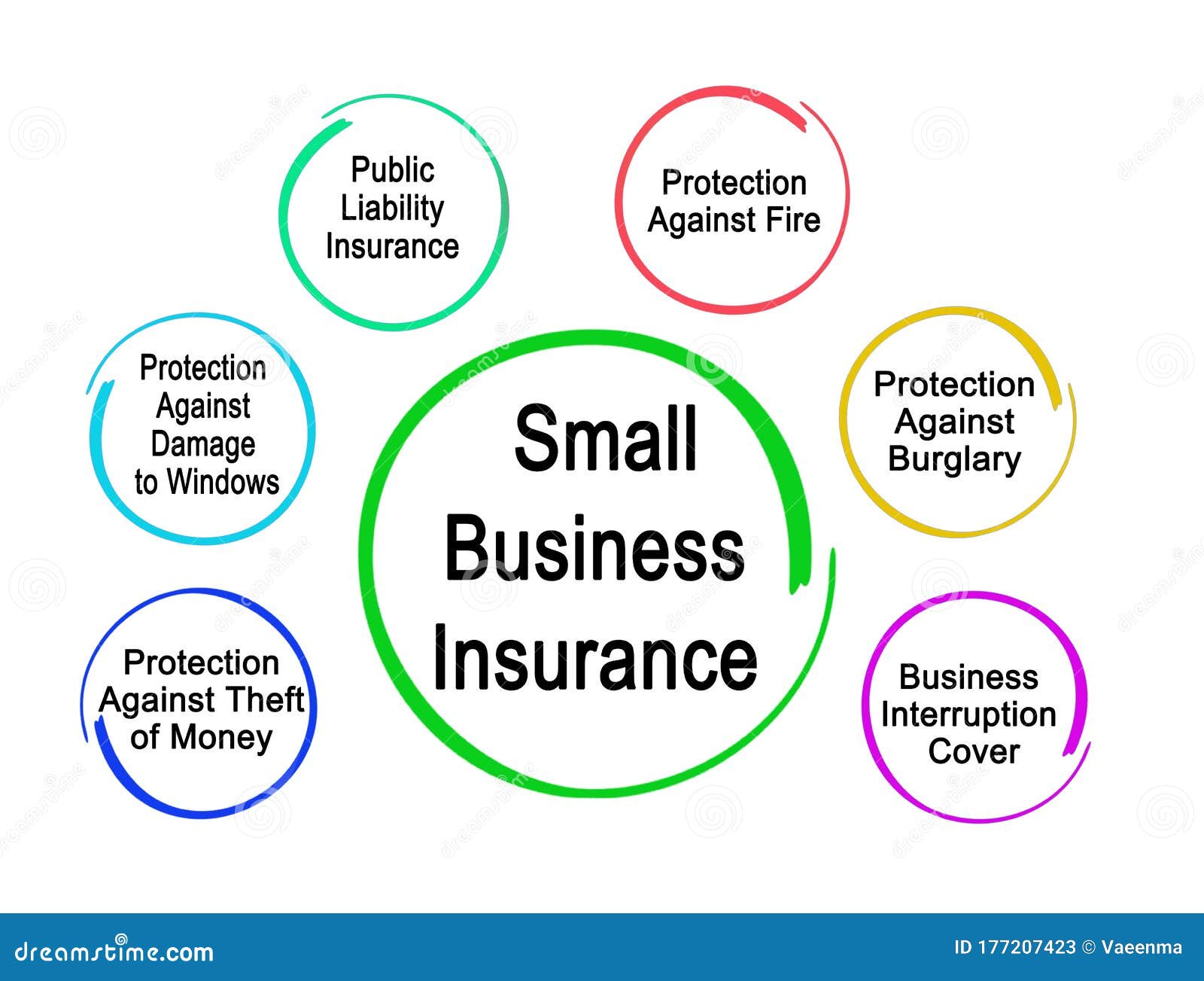
Wrapping up, embracing the right small business insurance is akin to building a fortress around your entrepreneurial ambitions. As the landscape of small business insurance continues to evolve, staying informed and proactive becomes your best strategy. Don’t just insure; ensure your path to success is shielded by the best coverage tailored for your unique needs.
Q&A
What is small business insurance and why is it important?
Small business insurance is a type of coverage that protects businesses from potential financial losses due to various risks, including accidents, property damage, and legal liabilities. It is crucial for safeguarding the financial health of a business.
What are the different types of small business insurance available?
Common types include general liability insurance, professional liability insurance, property insurance, and workers’ compensation. Each serves different purposes depending on the business’s specific needs.
How can I determine which type of insurance my business needs?
Assess your business risks and liabilities, consider legal requirements, and consult with an insurance advisor to tailor a policy that covers your unique business operations.
How can small businesses reduce their insurance costs?
Implement risk management practices, choose higher deductibles, and maintain a good claims history to potentially lower insurance premiums.
What are some common mistakes to avoid when selecting an insurance policy?
Avoid underestimating your coverage needs, failing to compare different policies, and neglecting to review policy terms and conditions.
How does technology impact small business insurance?
Technology streamlines the policy management process, offers more tailored insurance models, and enhances accuracy in risk assessments.
What are the legal requirements for small business insurance?
Legal requirements vary by jurisdiction, but generally include workers’ compensation and liability insurance to protect against unforeseen events.
